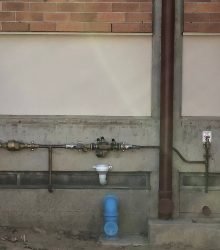
Fire Hydrant Brisbane: Installation, Testing and Repairs

We install and maintain commercial fire hydrant systems for institutional buildings across South East Queensland, and we fix the ones that fail testing.
affinityps--image5

We have 14+ years of Experience

Fire Mains, Hydrants & Hose Reels in Brisbane Commercial Sites

A fire hydrant system is the water supply a fire crew connects to on arrival. Underground, the private fire service mains run out to each outlet. Above ground, the hydrant landing valves they couple onto and the booster where the brigade pumps in from the street. Fire hose reels sit alongside it as the gear your own staff can reach first.

Affinity Plumbing Solutions handles the lot across Brisbane, from new fire mains down to hose reel installation and the repair work nobody budgeted for.

Fully Compliant

Rapid Emergency Response

Years Of Experience
0 +
Jobs Completed
0 +
Hydrovac Units
0 +
Emergency Dispatch
0 /7
affinityps--image2

What happens when a fire hydrant fails its flow test

Pressure and flow get confused constantly, and the confusion costs building managers money. A hydrant can hold healthy static pressure all year and still fail testing, because what gets measured is the volume it moves under load. Your domestic supply sits behind a pressure-reducing valve. The fire main doesn’t. Different system, tested on its own terms.

Failed results point back at the pipework more often than the outlet. On older Brisbane campuses, the culprit is usually a main that was adequate when it went in and has had three buildings added downstream since. We flow test first. Then we price the repair against what AS 2419.1 fire hydrant installations require.

Why hydrant installation needs an accredited contractor

Booster and main work falls under QBCC licensing and the fire hydrant Australian Standard, so an install signed off without the right endorsement becomes your problem at the next audit. Clearance catches most retrofits.

Fire hydrant clearance requirements in QLD govern how the brigade reaches the booster from the street, and a garden bed planted years after handover can quietly put a compliant site outside the rules.

How we approach fire hydrant Brisbane work

STEP 01

Assess what's there

We locate the fire main and check the hydrant booster and fire hose reels against the drawings. Old as-builts are usually wrong.

STEP 02

Test and measure

Flow and pressure readings at each hydrant landing valve, plus a condition check on the backflow device feeding the system.

STEP 03

Scope and price

A written scope naming the standard each item satisfies, with options where the regulations allow more than one compliant path.

STEP 04

Commission and handover

Commissioning plus the paperwork your certifier needs, whether the job was a main replacement or a hose reel installation. Job Safety Analysis with every invoice.

Book fire hydrant Brisbane testing

One visit covers the flow test, plus fire hose reel condition. We work around your site calendar so the building keeps operating while it happens.

Fire Mains, Hydrants & Hose Reels FAQs

Essential fire protection systems require clear compliance standards and ongoing care. Here are answers to common questions about keeping your site’s hydrants, mains, and hose reels fully certified and operational:

The building owner. Everything past the water authority's connection point is a private fire service main, which makes it your asset and your obligation under AS 1851. Brisbane body corporates often assume Urban Utilities or council covers it. They don't. On leased commercial premises, the duty usually stays with the owner, though plenty of leases push routine servicing onto the tenant, so read the schedule before you budget.
Nobody can quote this off a page, and anyone who does is guessing. Most of the cost sits in the new main: how far it runs, and whether it can be trenched or has to be vacuum excavated around live services. A commercial hose reel swap barely registers next to re-running a campus main that fails at the far end under a carpark. We test before we price.
That's a known failure pattern, and it catches people out because their own building never caught fire. Hydrant activity on your block is a load event on your water system. Pressure drops hard while the trucks pump, then spikes when they shut down. A gasket or diaphragm sitting undisturbed since the eighties fails on the recovery. Backflow preventers cop it worst. A hydrant shut too fast can also hammer the line hard enough to crack joints, and a main break under sealed pavement stays hidden for days.

Yes. Fire hydrant regulations in Queensland put the sign-off with the certifier, so we work to their scope from the start. Sprinklers and wider fire systems sit outside what we hold licences for.

Six-monthly under AS 1851, with a fuller annual inspection and a five-yearly check on the hose itself. Most commercial hose reel faults we find are mundane. A seized ball valve, usually. Or a hose kinked behind a pallet stack since the last inspection, which nobody notices until the day it matters. Hose reel maintenance costs very little. Most of the reels we replace were serviceable two inspections ago.
Fire hydrant requirements in QLD come from AS 2419.1 and the National Construction Code. The hydrant booster cabinet has to sit where the brigade can work from hard standing, within set distances of the site entry, kept clear and signed. Fire booster cabinet requirements also cover the contents: block plan, isolation, correctly labelled inlets. Retrofits fail on position far more often than on hardware.

Don't find out at the audit

A failed flow test on an occupied Brisbane building puts occupancy and insurance cover in question, and remediation on a live site always runs longer than anyone budgeted for. Get ahead of the auditor. Call us today.

1300 066 766

enquiries@affinityps.com.au

Unit 4, 22 Kremzow Road, Brendale QLD 4500

Book a Free Site Assessment